

Air Force: Know the PFA. Crush the PFA.
The Air Force updated its fitness program in 2025 to better reflect what actually matters—being physically ready to do the job, not just passing a test. Under the current guidance in DAFMAN 36-2905, the assessment now looks at four areas: cardio (50 points), body composition (20 points), muscular strength (15 points), and core endurance (15 points), for a total of 100 points.
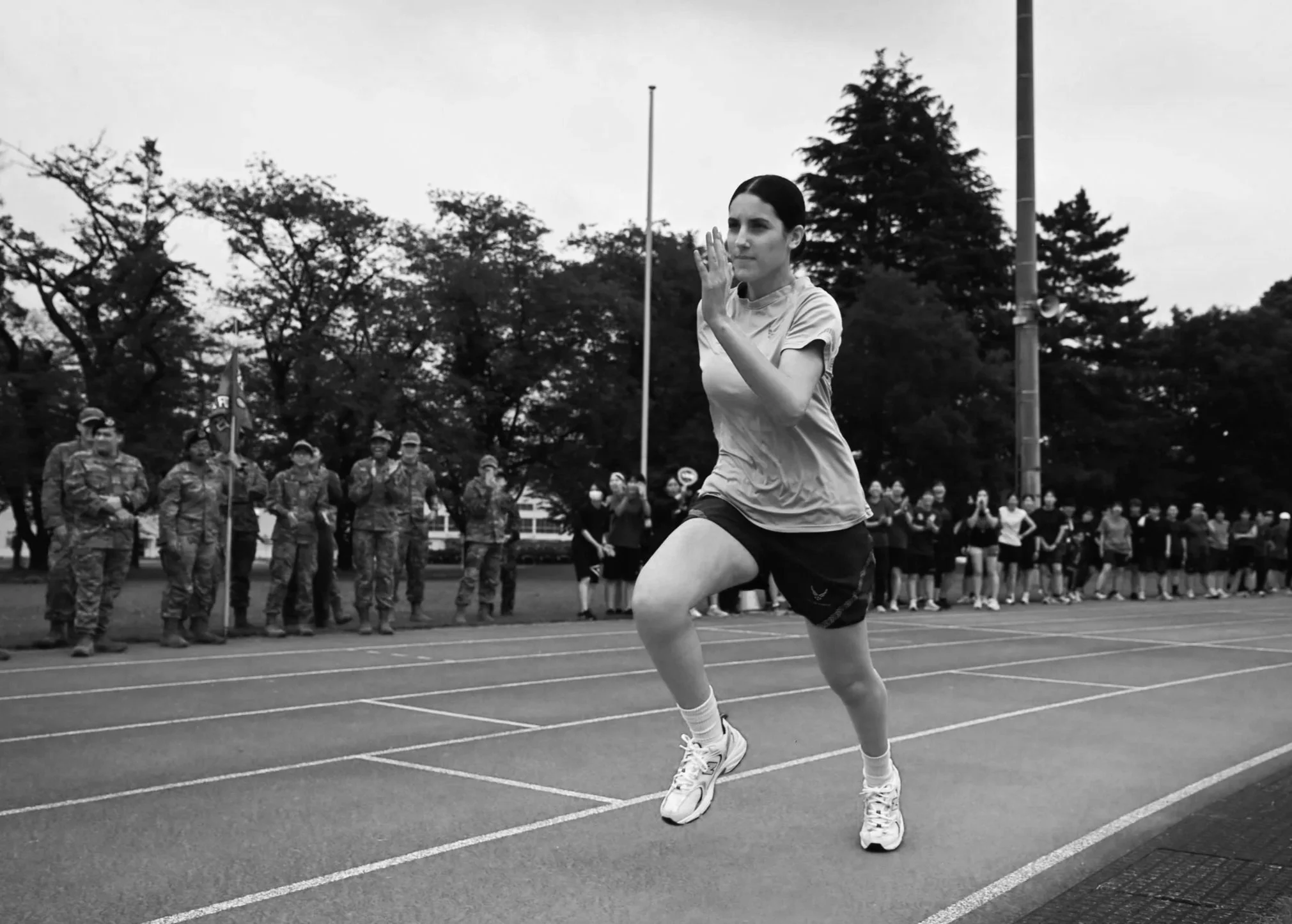
Cardio is primarily measured with a 2-mile run, although the 20-meter HAMR is still an option. Everyone is expected to complete the 2-mile run at least once each year. Strength and core are tested through push-up and core exercise options, allowing members to choose what works best for them.
Body composition is now part of the overall score and is measured using waist-to-height ratio (WHtR). This measurement is typically taken during the fitness assessment as part of the same testing cycle. If a member’s WHtR exceeds the standard (for example, greater than 0.55), it can impact their score. If someone both exceeds the WHtR standard and does not pass the overall assessment, they may be required to complete a follow-on body fat assessment using an approved secondary method and may receive additional guidance or intervention to improve.
Most active duty members will test twice a year—once between March and September, and again between September and March—while Guard and Reserve members test annually. This setup is designed to encourage steady, year-round fitness rather than last-minute preparation.
If someone does not meet the minimum standards on the assessment, they will need to retest, usually within about 90 days. In the meantime, they will be placed on a structured fitness improvement plan. This typically includes supervised or documented workouts, goal setting, and regular check-ins to track progress. Leadership may also be involved to ensure members are getting the support they need and staying on track. The focus is on helping members improve safely and consistently, but repeated failures can lead to increased oversight and potential administrative action.
Overall, the updated program shifts the focus away from “just passing” and toward maintaining consistent readiness. The expectation is simple: stay ready, so you’re prepared to perform when it matters most.